
Painting and street art in Valencia: from Sorolla to the Carmen district
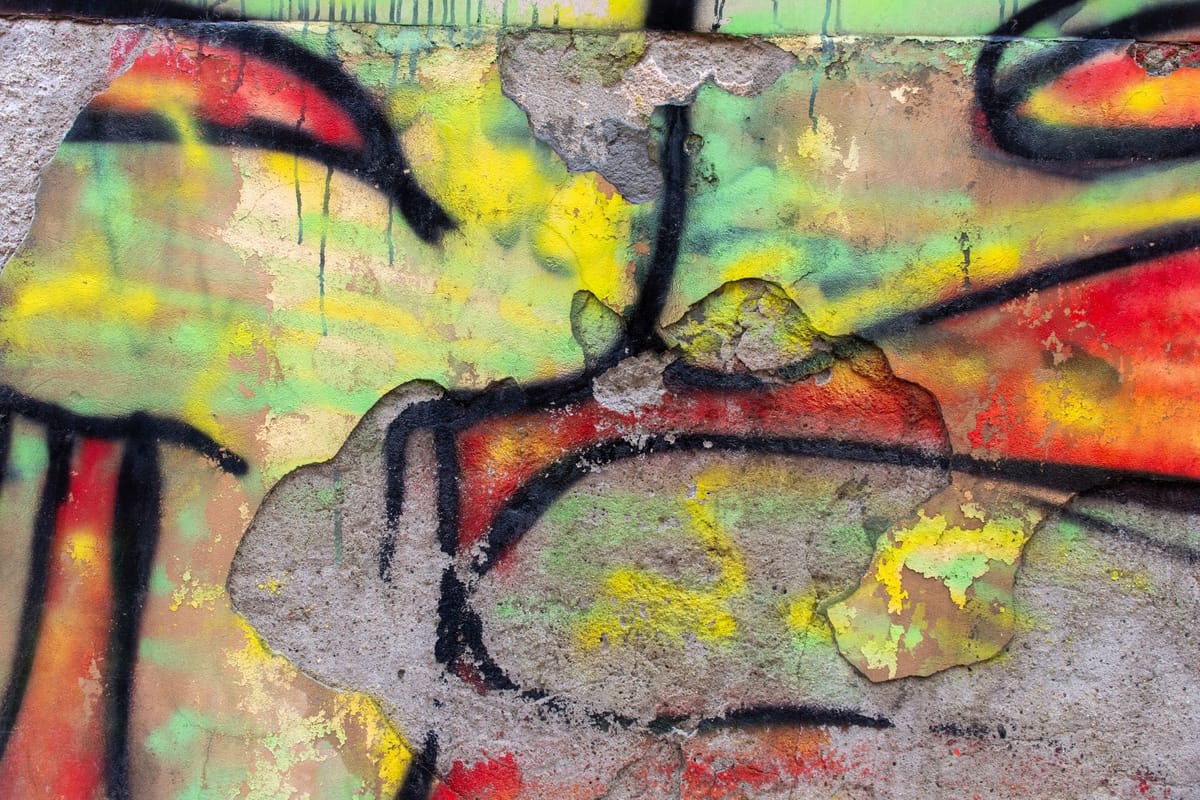
Painting in Valencia is a magnificent split. On one side, the city of Joaquín Sorolla, the master of light (1863-1923), and a line of old masters such as José de Ribera, born in Xàtiva. On the other, one of the capitals of Spanish street art, whose Carmen district is an open air museum, with wall stars like Escif, PichiAvo and Julieta XLF. In between: a great fine arts museum, the first modern art museum in Spain (the IVAM, 1989), and festivals that spread all the way into the villages. Here is how to find your way around.
Who is the great Valencian painter?
Joaquín Sorolla, born in Valencia in 1863 and dead in 1923, the painter of Mediterranean light. His beach scenes, children in the water and sun drenched portraits made him the face of luminism and one of the best loved Spanish painters in the world. His house-museum is in Madrid, but Valencia honours him at home: the Museo de Bellas Artes holds forty-two of his works and devotes a whole room to him. In 2023 the city marked the centenary of his death. If you keep one name from Valencian painting, it is his.
Which old masters did Valencian painting produce?
Several of the first rank. The most famous is José de Ribera, nicknamed Lo Spagnoletto, baptised in Xàtiva in 1591: a master of the baroque and of chiaroscuro, he spent his whole career in Italy, in Naples, where he died in 1652. Before him, the Valencian Renaissance shines with Joan de Joanes (Vicente Juan Masip) in the 16th century, heir to the Valencian primitives. Closer to us, Ignacio Pinazo (Valencia 1849, died in Godella in 1916) opened the way to modern painting through his work on light and freedom of form. You will meet these names mainly at the Museo de Bellas Artes and the IVAM.
Where to see painting in Valencia?
In three major, complementary places. The Museo de Bellas Artes, set in the former San Pío V seminary, is considered one of Spain's most important painting galleries: Gothic altarpieces, Valencian primitives, Joan de Joanes, Ribera, but also Goya, Velázquez, El Greco and Bosch, and of course the Sorolla room. The IVAM is devoted to modern and contemporary art, and the Centre del Carme completes the picture on the side of today's creation.
At the Centro de Arte Hortensia Herrero, the artist Manama takes you through her visit to the Anselm Kiefer exhibition.
| Museum | For | Where |
|---|---|---|
| Museo de Bellas Artes (San Pío V) | Old masters and the Sorolla room | Carrer de Sant Pius V |
| IVAM | Modern and contemporary art (Julio González, Pinazo) | Carrer de Guillem de Castro |
| Centre del Carme | Contemporary art, street art shows | El Carme |
Why is Valencia a capital of street art?
Because few cities offer so many painted walls, so concentrated and so good. Since the 1990s, the Carmen district, with its crumbling façades and gable walls, has become an open air canvas, to the point that Valencia is often described as the capital of Spanish urban art. It is no accident: many of these artists trained at the San Carlos fine arts faculty, attached to the Polytechnic University of Valencia, and stayed to keep the local scene alive. The Centre del Carme, which traced thirty years of Valencian urban art in an exhibition, is its institutional landmark.
Which Valencian street artists should you know?
A handful of signatures that crossed borders. The best known is Escif, whose poetic, socially engaged murals speak of consumption and the environment, and who even designed a Damien Rice album cover. Alongside him, the duo PichiAvo blends classical Greco-Roman sculpture with graffiti, with an international career; Julieta XLF scatters her little girl with long, colour-shifting hair across the city; David de Limón covers walls with his masked, all-black characters showing only their eyes; and Deih works in a more realistic, futuristic style.
| Artist | Style | Worth knowing |
|---|---|---|
| Escif | Engaged murals, visual poetry | The best known; designed a Damien Rice cover |
| PichiAvo | Classical sculpture and graffiti | Internationally renowned duo |
| Julieta XLF | Colourful murals | Her little girl with colour-shifting hair |
| David de Limón | Masked characters | The little black figures, all over the city |
| Deih | Realistic and futuristic | Large figurative walls |
Where to see street art in and around Valencia?
In the street, above all in the Carmen district, where a simple walk turns up dozens of works, and many guided tours offer routes. The scene also spills into festivals: in Valencia, Intramurs animates the historic centre, and Poliniza Dos, run by the Polytechnic University, has painted big walls for over a decade. The most spectacular happens outside the city, in Fanzara, in the province of Castellón, where the MIAU festival, the Unfinished Museum of Urban Art, has turned a whole village into an open air museum, with artists from dozens of countries in 2025.
| Where | What | Locate |
|---|---|---|
| Carmen district | The open air museum, heart of the street art | Valencia |
| Fanzara (Castellón) | MIAU festival, a village turned museum | Fanzara |
Where to study fine arts in Valencia?
At the school that trained much of the scene: the San Carlos Faculty of Fine Arts, part of the Polytechnic University of Valencia, the city's great artist factory, from painter to muralist. Alongside it, the school of art and design (EASD) and many private studios and academies teach drawing, painting, illustration or graffiti, for amateurs and future professionals alike. To round out the cultural picture, see our guides to the Valencia's music scene, Valencia's theatre scene and Valencia's dance scene scenes.
Frequently asked questions about painting and street art in Valencia
Who is the most famous Valencian painter?
Joaquín Sorolla, born in Valencia in 1863 and dead in 1923, the great master of light and luminism. His house-museum is in Madrid, but the Museo de Bellas Artes of Valencia devotes a room to him with forty-two works.
Where to see street art in Valencia?
Mostly in the Carmen district, the historic core, where a simple walk turns up dozens of murals. Many guided tours offer routes, and the Centre del Carme is the institutional landmark.
Who are the well known Valencian street artists?
Escif, the most recognised, the duo PichiAvo who mix classical sculpture and graffiti, Julieta XLF and her colourful girl, David de Limón and his masked figures, or Deih. Many trained at the San Carlos fine arts faculty.
What is the biggest painting museum in Valencia?
The Museo de Bellas Artes, in the former San Pío V seminary, considered one of Spain's most important painting galleries, from the Valencian primitives to Sorolla. For modern art, it is the IVAM.
Are there street art festivals near Valencia?
Yes. In Valencia, Intramurs and Poliniza Dos (run by the Polytechnic University). And in Fanzara, in the province of Castellón, the MIAU festival has turned a whole village into an open air urban art museum.
Sources (facts cross-checked and rewritten, never copied): Museo de Bellas Artes of Valencia and visitvalencia.com (Sorolla, San Pío V collection); Wikipedia and IVAM (museum history, Ignacio Pinazo, Julio González); Wikipedia and Valencia International (José de Ribera, Joan de Joanes); Wikipedia and Centre del Carme (Valencian urban art, Escif, Julieta XLF, David de Limón, Deih); PichiAvo (official site); Comunitat Valenciana and festival sites (MIAU Fanzara, Intramurs, Poliniza Dos). Consulted in July 2026.
Verified in July 2026. Collections, exhibitions, murals and programming can change, and street art is ephemeral by nature: check with the museums and organisers before you travel. This article was prepared with the help of AI, then cross-checked, verified and edited by our newsroom, which takes editorial responsibility for it.
Suis-nous sur Instagram : @thedailyvalencia
Le Livre blanc 2026 de l'expat à Valencia
NIE, empadronamiento, fiscalité, école, logement : tout l'essentiel pour s'installer, réuni dans un guide PDF. Laisse ton e-mail, on te l'envoie.
🎉 Et voilà ! Ton Livre blanc 2026 de l'expat s'ouvre ici :
Ouvrir le Livre blanc 2026Dernière étape pour rejoindre l'aventure : confirme ton inscription dans l'e-mail qu'on vient de t'envoyer.
Réagis à cet article