
The Spanish way: what Valencia teaches us about slowness
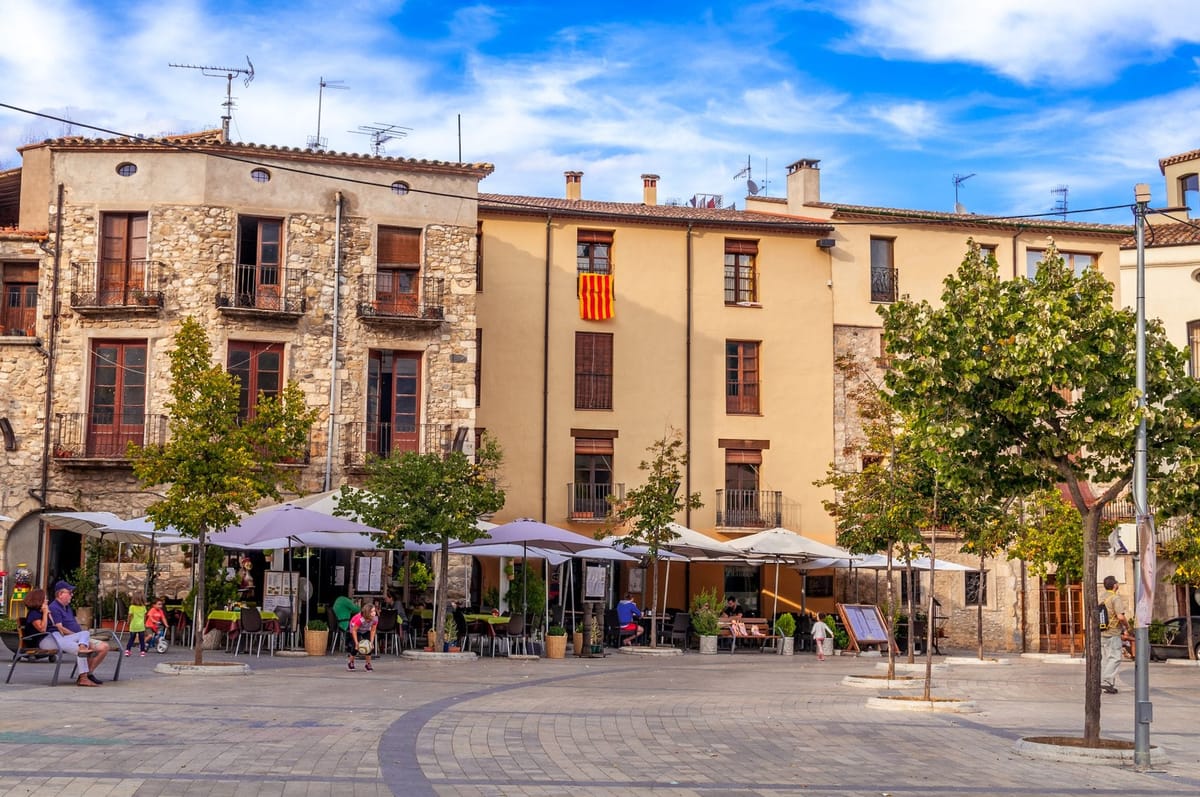
Most of us land in Valencia with the same reflexes: urgency strapped across the chest, a packed calendar, efficiency as religion. We were raised on the idea that a good day is a full one, and that idle time is wasted time. Then the city quietly goes to work on us, asking for nothing.
The shock of the first weeks
At first it's maddening. You turn up at the pharmacy at 2:30 - closed. You want to sort some paperwork in a hurry and you're told to come back "tomorrow, no rush." You book a table for 7:30 and eat alone in an empty restaurant, because the city doesn't dine before nine. Your first instinct is to read all this as a lack of seriousness, as if the whole country were dragging its feet.
Then something shifts. You notice that the pharmacist, when she is open, takes three minutes to explain your prescription instead of waving you off. That "come back tomorrow" isn't negligence but a refusal to botch the job. The city isn't slow - it's somewhere else.
What the siesta really protects
The siesta isn't a nap - not only. It's a defended pause in the day, a moment when everyone collectively agrees that not everything has to be available all the time. Back home we learned to feel ashamed of stopping. Here, closing for two hours is no confession of weakness: it's a border drawn between work and the rest of life. And the rest of life is given room.
The almuerzo, the late dinner: a different hierarchy of time
There's the almuerzo, that late-morning bite that stretches the workday instead of chopping it up, gathering colleagues around a bocadillo rather than a screen. There are dinners that start when we'd be going to bed and run long because nobody's watching the clock. These aren't quaint details. They're a different hierarchy: here, time spent together isn't subtracted from the rest - it is the rest.
We like to think the South is slow out of laziness. It's the opposite: it's slow by choice, having decided that some things - a meal, a conversation, a terrace in the late afternoon - deserve the right of way. Not an absence of ambition. A different idea of what you don't want to miss.
The lesson you pack in your suitcase
The unsettling part is how much it rubs off. After a few months you catch yourself closing the laptop to go walk in the sun without guilt. You let a coffee linger. You say "tomorrow" without panic. You haven't become less serious - you've just moved the cursor on what counts. And you realise this slowness, far from slowing you down, has made you present.
Maybe that's the real souvenir you take from Valencia: not a postcard, but a way of breathing. A lesson well worth a move abroad.
Le Livre blanc 2026 de l'expat à Valencia
NIE, empadronamiento, fiscalité, école, logement : tout l'essentiel pour s'installer, réuni dans un guide PDF. Laisse ton e-mail, on te l'envoie.
🎉 Et voilà ! Ton Livre blanc 2026 de l'expat s'ouvre ici :
Ouvrir le Livre blanc 2026Dernière étape pour rejoindre l'aventure : confirme ton inscription dans l'e-mail qu'on vient de t'envoyer.
Réagis à cet article