
Crimean-Congo fever: new Salamanca case worries Spain
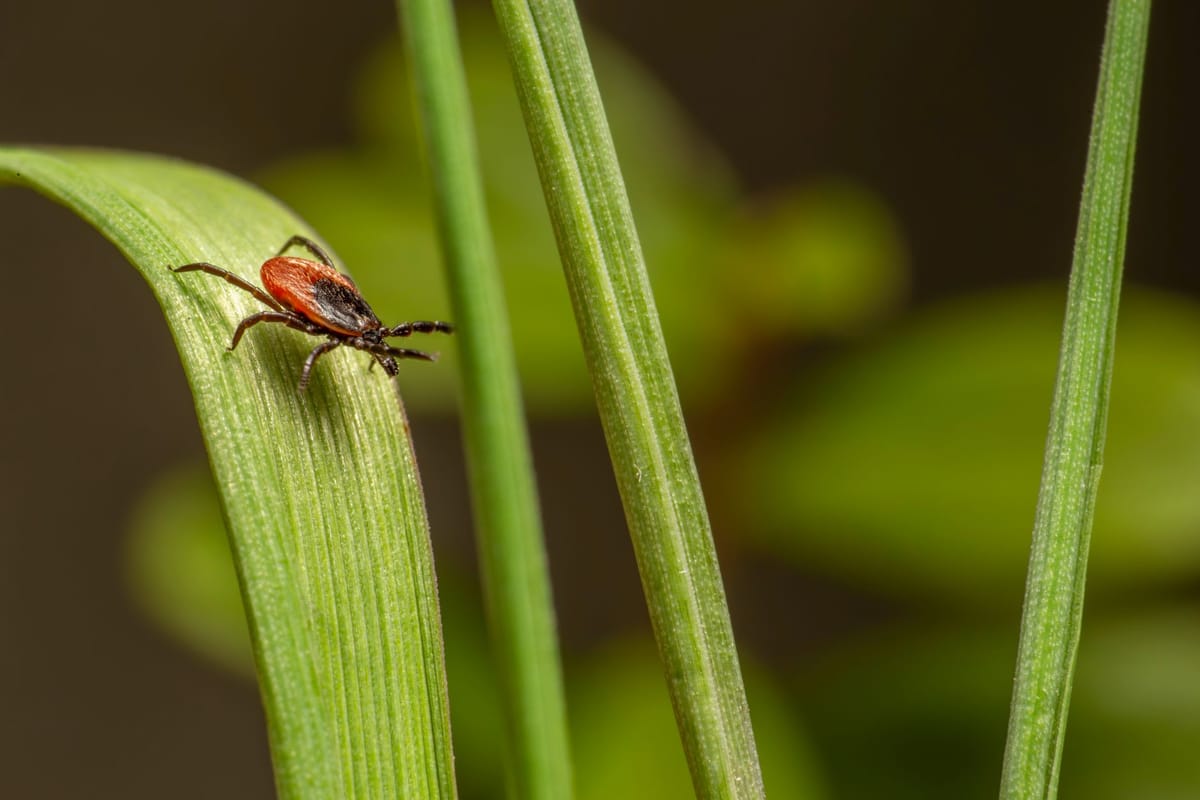
According to La Gaceta de Salamanca, public health authorities in Castilla y León confirmed on 13 August 2026 a new case of Crimean-Congo haemorrhagic fever in a 71-year-old man who was bitten by a tick in Santibáñez de Béjar, in the Béjar area. The same outlet reports he was first treated at the Salamanca hospital before being isolated and admitted in serious condition to the Gómez Ulla hospital in Madrid, in its high-risk infectious diseases unit, and that he had prior health conditions. La Gaceta also notes the diagnosis was confirmed by the National Microbiology Centre of the Instituto de Salud Carlos III in Majadahonda.
This is not an isolated event, and that is why it is climbing in the Spanish news feeds today. Infobae, citing the government of Castilla-La Mancha, had already reported on 29 July 2026 a case in a 46-year-old man from the Puertollano health area, in the province of Ciudad Real, who was likewise transferred to the Gómez Ulla hospital in Madrid under biosafety protocols. Read side by side, the two reports sketch a pattern: separate regions, the same specialised Madrid unit, the same rare tick-borne illness surfacing within a few weeks.
Redacción Médica adds the medical context the regional bulletins leave out. Quoting María del Mar Tomás, a microbiologist at the CHUAC and spokesperson for the SEIMC, the outlet explains the disease is passed on by bites from Hyalomma ticks (the species Hyalomma lusitanicum and Hyalomma marginatum are present in Spain), originally African, and that Spain is the only western European country with persistent locally acquired cases, while isolated ones have also appeared in Bulgaria, Greece, Portugal and Albania. The same source stresses a sobering figure: the case-fatality rate can reach up to 40 percent.
One point where the outlets do not line up neatly is the running tally. Redacción Médica counted three locally acquired infections in 2026 as of 5 August (two in Salamanca, one in Ciudad Real in late July), before this new case. La Gaceta de Salamanca, for its part, frames the latest patient in terms of a "13th" figure whose wording is ambiguous, and other summaries point to around twenty cases nationwide. We cannot settle the exact number with the sources at hand, so we flag the gap rather than paper over it. What is clear, and what has pushed the topic up Google Trends, is that a disease long treated as exotic is now being described as endemic in some Spanish regions.
Sources : La Gaceta de Salamanca, Infobae, Redacción Médica, Google Trends.
Le Livre blanc 2026 de l'expat à Valencia
NIE, empadronamiento, fiscalité, école, logement : tout l'essentiel pour s'installer, réuni dans un guide PDF. Laisse ton e-mail, on te l'envoie.
🎉 Et voilà ! Ton Livre blanc 2026 de l'expat s'ouvre ici :
Ouvrir le Livre blanc 2026Dernière étape pour rejoindre l'aventure : confirme ton inscription dans l'e-mail qu'on vient de t'envoyer.
Réagis à cet article