
Orxata in Valencia: the tiger nut horchata, and where to drink it
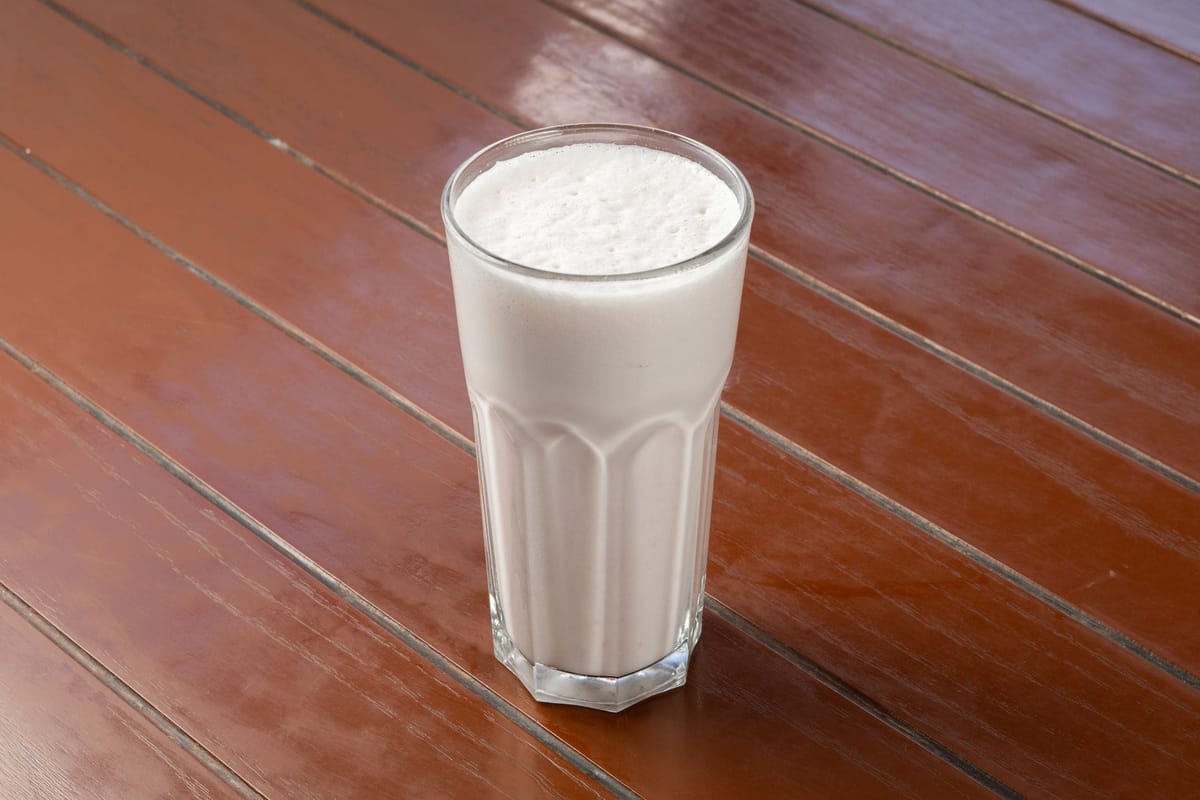
Valencian orxata (horchata in Spanish) is a creamy cold drink made from chufa, the tiger nut, a small tuber grown almost only in the market gardens around Alboraya, just outside Valencia, under a protected Denominación de Origen since 1997. Locals call it the region's "white gold", and a glass runs between 2.50 and 5.50 euros in 2026. One thing to clear up first: this is not the rice-based horchata you may know from Mexico, it is a different drink built on tiger nuts.
What is orxata, in a nutshell?
Orxata is made from chufa (tiger nut), grown almost exclusively around Alboraya under the "Chufa de Valencia" protected origin label since 1997. The 2025-2026 harvest reached 5.15 million kilos of fresh chufa over 339 hectares, with 24 marketing companies and 48 horchata makers, according to the Consejo Regulador. A glass costs between 2.50 and 5.50 euros in Valencia in 2026. The tuber is sown in April and May and harvested from November to March, a 7 to 8 month cycle. Orxata is naturally lactose free, gluten free and soy free, with fats close to those of olive oil.
| Marker | Figure | Source |
|---|---|---|
| Fresh chufa harvested (2025-2026) | 5.15 million kg | Consejo Regulador, Chufa de Valencia PDO |
| Area under the PDO | 339 hectares | Consejo Regulador, Chufa de Valencia PDO |
| Marketing firms / makers | 24 / 48 (4 industrial, 44 artisan) | Consejo Regulador, Chufa de Valencia PDO |
| Price of a glass in Valencia (2026) | 2.50 to 5.50 euros | Horchateria survey, July 2026 |
Is Valencian orxata the same as Mexican horchata?
No, and this is the point most newcomers miss. Mexican horchata is usually made with rice and cinnamon, while Valencian orxata is built on chufa, the tiger nut, with no rice and no cinnamon. They share a name and a milky look, but not the ingredient. Only horchata made from chufa grown in the protected zone around Alboraya can carry the "Chufa de Valencia" origin label, and the regulator regularly asks supermarkets to make the origin clearer on their shelves, according to Press Digital.
The word "horchata" itself is thought to come from old French "orge mondé" (hulled barley), which became "orgeat" by the 16th century before it came to mean the tiger nut drink rather than a barley one, according to España Fascinante. A popular legend has a peasant woman offering the drink to King Jaume I, who supposedly replied that it was not milk but gold ("or"), giving the drink its name, though there is no historical proof for the story.
Why does chufa grow almost only near Valencia?
Chufa needs a dry climate and well drained soils rich in organic matter, conditions found around Alboraya and Almàssera, according to Comunitat Valenciana. Its farming has been protected since 1997 by the "Chufa de Valencia" Denominación de Origen, run by a regulator based in Valencia, ratified by a decree of 21 May 1997 and updated in 2010, according to the BOE and the Spanish Agriculture Ministry. The tiger nut reached Iberia long ago, having spread from ancient Egypt to North Africa and then Spain during the medieval Muslim period, according to España Fascinante.
The sector is fragile. Average yield fell from 1,388 kg per hectare in 2020 to 1,178 kg in 2024, a 15 percent drop that pushed the LA UNIÓ farmers' union to demand an urgent study, according to Agronews. That small, protected footprint is a big part of why the drink is called white gold.
Where can you drink the best orxata in Valencia?
The old town holds the oldest houses. Horchatería Santa Catalina, on the square of the same name, is seen as the oldest still trading: its exact founding date is unclear because records were lost, but the building dates to 1890 and a plaque marks a 1907 visit by the Infanta Isabel, according to Koloritmedia and Valencia Curiosa. Its historic rival, Horchatería El Siglo, founded in 1836 and long billed as the oldest in the world, closed in 2014, according to OKDiario. In Alboraya, seen as the cradle of the drink, Horchatería Daniel is a reference for drinking orxata right next to the chufa fields.
| Place | Price of a glass | Locate |
|---|---|---|
| Horchatería Santa Catalina (city centre) | Around 5.50 euros | |
| Horchatería Daniel (Alboraya) | 3.50 to 5.00 euros | |
| Horchatería Subiés (Alboraya) | 2.50 to 4.00 euros |
The fields sit around Alboraya and Almàssera, about fifteen minutes from the centre, which makes them an easy half day out: see also our ideas for day trips from Valencia.
Is orxata actually good for you?
In moderation, yes. It is naturally lactose free, gluten free, soy free and nut free, which makes it a popular alternative for people who cannot drink milk, according to Horchata Chufi and Naturhouse. Chufa is rich in fibre (17.4 g per 100 g, more than most whole grains), in potassium, phosphorus, magnesium and vitamins E and C, and 70 to 80 percent of its fats are monounsaturated, close to those of olive oil, according to Runfit. A glass provides about 60 to 70 kcal per 100 ml, though the commercial version is often sweetened, so treat it as a treat.
What is a fartón, and why is it served with orxata?
The fartón is a long, glazed sweet bun created in the 1960s in Alboraya by the Polo brothers, a baking family from Titaguas who settled there after the war, according to Hoy Valencia. It is airy enough to soak up the orxata without falling apart, and it turned the pairing into an icon. Locals dip and sip at any time of day, a little like the mid-morning ritual we cover in our guide to the Valencian almuerzo. Hungry for more local flavour? Start with where to eat a real paella in Valencia.
Frequently asked questions about orxata
What is the difference between orxata and horchata?
It is the same drink: "orxata" is the Valencian name and "horchata" the Spanish one. Both mean the tiger nut drink protected by the Chufa de Valencia origin label.
Is Spanish horchata the same as the Mexican one?
No. Mexican horchata is usually rice based and spiced with cinnamon, while Valencian orxata is made from chufa, the tiger nut, with no rice. Same name, different drink.
Can you find real orxata outside Valencia?
Horchata is sold across Spain and abroad, but only horchata made from chufa grown in the protected zone around Alboraya can carry the Chufa de Valencia origin label.
Is orxata a summer only drink?
Traditionally yes, since it is served cold, but many Valencian horchaterías serve it year round indoors, and some offer slushy or takeaway versions in every season.
Sources (facts cross-checked and rewritten, never copied): Chufa de Valencia PDO (Consejo Regulador, official source), BOE, España Fascinante, Comunitat Valenciana, Agronews Castilla y León, Hoy Valencia, Koloritmedia, Valencia Curiosa, OKDiario, Runfit, Horchata Chufi, Naturhouse, Press Digital, consulted in July 2026. Key figures (2025-2026 harvest, area, yield, prices) were checked against these sources.
Information verified in July 2026. Prices, addresses and opening hours can change: check directly with each horchatería before you go. This article was prepared with the help of AI, then cross-checked, verified and edited by our newsroom, which takes editorial responsibility for it.
Suis-nous sur Instagram : @thedailyvalencia
Le Livre blanc 2026 de l'expat à Valencia
NIE, empadronamiento, fiscalité, école, logement : tout l'essentiel pour s'installer, réuni dans un guide PDF. Laisse ton e-mail, on te l'envoie.
🎉 Et voilà ! Ton Livre blanc 2026 de l'expat s'ouvre ici :
Ouvrir le Livre blanc 2026Dernière étape pour rejoindre l'aventure : confirme ton inscription dans l'e-mail qu'on vient de t'envoyer.
Réagis à cet article