
Insurance in Spain: home, car, liability and health (what anglophones need to know)
In Spain, insurance looks similar on paper to what you know from home, but the everyday use is a little different. The pleasant surprise is home insurance: here you call it out for a dripping tap or to put up a shelf, not only for a major disaster. Here is a run-through of home, car and liability cover, plus the part that matters most for anglophones: health insurance, which works very differently depending on whether you are British (non-EU), Irish (EU) or American.
Home insurance: not compulsory, but very useful
Home insurance is not legally compulsory in Spain in most cases, whether you rent or own outright. The one real exception: if you buy with a mortgage, the bank will require at least fire cover on the property. Beyond that it is strongly advised but optional.
The headline cover, here as anywhere, is public liability (responsabilidad civil): if a leak in your flat floods the neighbour below (the great classic of Spanish apartment blocks), this is what pays. Most policies also cover water damage, theft, broken glass, fire and contents.
The real difference: home assistance and the "manitas"
This is the point that surprises most newcomers. In Spain, home insurance is not just for big problems: it also handles day-to-day life. Two services worth telling apart:
- Home assistance (asistencia hogar), usually included and available 24/7. A pipe that bursts at 2am, a slammed lock, an electrical fault: you call your insurer and it sends a professional.
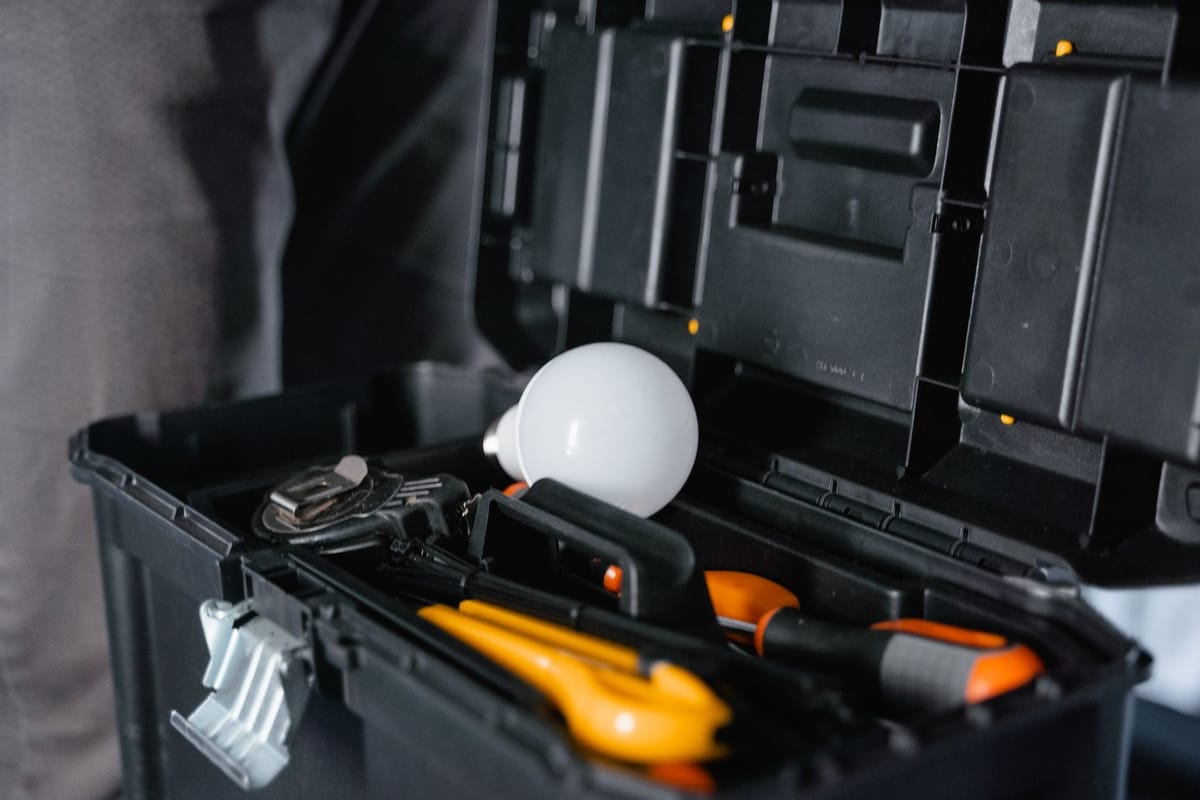
- The "manitas" service (the handyman), often included or optional. It covers small non-urgent jobs: putting up a shelf, assembling furniture, changing a mechanism, a minor plumbing or electrical repair. Typically a set number of hours or call-outs per year is offered, the professional's visit is covered, but materials are often down to you.
In other words, where at home you might only call your insurer for a genuine claim, in Spain many people use it for everyday hassles. Read carefully what your policy includes here: offers vary enormously from one company to another.
Car insurance: compulsory, and layered
As everywhere in Europe, third-party motor liability (seguro a terceros) is compulsory to drive: it covers damage you cause to others and stays valid throughout the European Union. Above that, you choose your level:
- Terceros: basic third-party.
- Terceros ampliado: third-party, plus theft, fire and broken glass.
- Todo riesgo: fully comprehensive, with or without an excess.
The right level depends mainly on the age and value of your car: comprehensive for a newer vehicle, third-party (possibly extended) for an older one.
Your no-claims bonus: how to keep it
In Spain, the discount for a clean record is called the bonificación por no siniestralidad. A key difference from the UK and Ireland: there is no single, regulated no-claims scale. Every company has its own scheme.
The good news: your history transfers. If you switch insurer within Spain, the new one picks up your bonus (via the SINCO file, or with a certificado de no siniestralidad your insurer must provide).
And crucially, if you are arriving from abroad: ask your current insurer for a written no-claims history (a "no-claims bonus proof of entitlement" in the UK, or the equivalent statement from your Irish or US insurer). Presented to the Spanish insurer, it usually lets you secure a discount from the outset, instead of starting from zero. It is the one reflex that can save you a lot in your first year. Note that Spanish insurers accept these more readily in English than in some other languages, so a clear PDF from your insurer is worth requesting before you leave.
Health insurance: this is where it gets country-specific
This is the section that differs most for anglophones, because your health cover in Spain depends entirely on your status.
- If you hold an NLV (Non-Lucrative Visa) or DNV (Digital Nomad Visa), private health insurance is not optional: the visa requires full private cover with no co-payment (copago) and no waiting period, from a Spain-authorised insurer. A basic international travel policy will not satisfy the consulate. Sanitas, Adeslas, DKV and similar offer specific "no co-pay" policies designed for exactly this. For what the policy must cover, the convenio especial and the insurers compared on official prices, read our guide to expat health insurance in Valencia.
- British tourists: the UK GHIC covers visitors only, not residents. It is fine for a holiday, but the moment you become resident it no longer applies.
- UK State Pensioners: you may be entitled to the S1 form, which gives you state-paid public healthcare in Spain funded by the UK. Register the S1 with the INSS (Spanish social security) once here. This route remains available post-Brexit and is a genuine saving for retirees.
- The convenio especial (public pay-in scheme): once you have been registered on the padrón (empadronado) for one continuous year and are not employed or self-employed, you can pay into the public system directly: €60/month if you are under 65, €157/month if you are 65 or over. It is flat and income-independent, and applied for via the Generalitat Valenciana.
- Irish (EU) and Americans: Irish citizens follow EU rules (EHIC for visits; ordinary EU registration and access as residents). Americans, being non-EU like the British, will generally need the same qualifying private cover for the NLV/DNV, and there is no US equivalent of the S1.
For the full picture of how the public system works once you are in, see our guide to the Spanish healthcare system. Getting your empadronamiento sorted early also starts the clock for the convenio especial.
Liability, beyond the home
Public liability is what covers you when you cause harm to someone else. You find it in car insurance (compulsory) and home insurance (a leak affecting the neighbour, damage caused by a child or a pet). Some people also take a separate family liability policy. For a family settling in, it is worth checking that the home policy's liability covers the whole household, children and pets included.
Download our free Valencia Expat White Paper by leaving your email in the form just below.
The quick memo: home insurance not compulsory (except fire cover with a mortgage), but the 24/7 assistance and "manitas" service handle small hassles like plumbing or flat-pack furniture. Car: liability compulsory, then terceros, terceros ampliado or todo riesgo. No-claims: no single national scale, but your written history from home transfers into a discount. Health: NLV/DNV need full no-co-pay private cover; UK GHIC is tourists-only; UK pensioners can use the S1; the convenio especial (€60/€157 a month) opens after a year on the padrón.
Sources
- Your Europe (European Commission): validity of motor insurance across the EU
- GOV.UK: healthcare for UK nationals living in Spain (S1, GHIC)
- Línea Directa: the "manitas" home-insurance service
- Acierto: car-insurance no-claims discounts
Information verified in July 2026. Guarantees, prices and conditions vary between insurers: compare and read your policy carefully before signing. The Daily Valencia is an AI-assisted publication with human review; our editorial team checks and takes responsibility for every article. Spotted an error? Write to us and we will correct it.
Le Livre blanc 2026 de l'expat à Valencia
NIE, empadronamiento, fiscalité, école, logement : tout l'essentiel pour s'installer, réuni dans un guide PDF. Laisse ton e-mail, on te l'envoie.
🎉 Et voilà ! Ton Livre blanc 2026 de l'expat s'ouvre ici :
Ouvrir le Livre blanc 2026Dernière étape pour rejoindre l'aventure : confirme ton inscription dans l'e-mail qu'on vient de t'envoyer.
Réagis à cet article