
The 9th of October and the Mocadorà: the Valencians' big day (and their Valentine's)
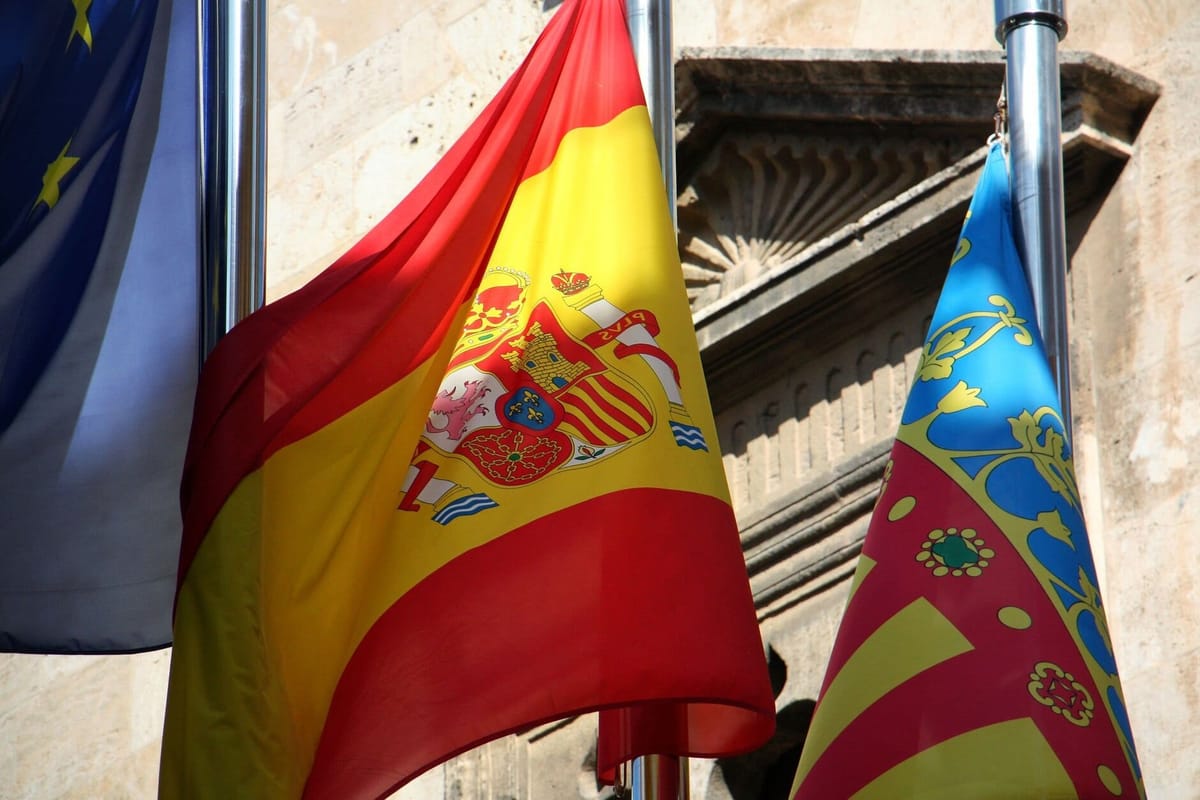
If you live in Valencia, mark this date well: 9 October. It's the public holiday of the Valencian Community, a one-of-a-kind blend of regional pride, historic ceremony and… a sweet little love tradition. Here's a quick decoder so you don't miss it.
What's being commemorated
The 9th of October marks the entry of King Jaume I (James I of Aragon) into Valencia in 1238, the founding act of the old Kingdom of Valencia. It's also Sant Donís (Saint Denis) in the calendar. The date is a public holiday across the whole Valencian Community.
What happens around town
In the morning comes the Processó Cívica: the Reial Senyera (the historic Valencian flag) is brought down from the balcony of the city hall, and a procession crosses the centre to the cathedral, then to the Parterre to lay flowers at the foot of the statue of Jaume I. The mood shifts from solemn to festive, with a mascletà and music. It's the big celebration of Valencian identity - the senyera flag and the Valencian language take centre stage.
La Mocadorà: the Valencian Valentine's Day. On 9 October, tradition has it that you give your loved one a silk handkerchief (the mocador) tied around little marzipan sweets shaped like the fruit and vegetables of the huerta - plus two iconic pieces, la piuleta and el tronador, shaped like firecrackers.
A tradition born from a ban
The backstory is a treat: in 1738, firecrackers were reportedly banned for the festivities, so the bakers got around the rule by inventing sweets that mimicked the firecrackers. The marzipan piuleta and tronador were born that way. The fruit and vegetables in almond paste, meanwhile, symbolise the fertility of the Valencian huerta.
Where to find the sweets
In the traditional bakeries and ovens (forns) of the centre, in the days leading up to 9 October - the queues build up fast. A handmade mocadorà usually costs between €30 and €65 depending on the weight and the pieces, with cheaper versions in the supermarkets. It's the family occasion par excellence: you buy it, you share it, you tuck in.
The official programme of events changes every year (times, routes), so check the city's agenda as the date approaches. To dig deeper into local identity, also read our article on the Valencian language.
Sources
- Visit Valencia - 9 October festival (events)
- Ajuntament de València - 9 d'Octubre events
- Mocadorà - origin and tradition (Wikipedia)
- Love Valencia - La Mocadorà
Information verified in June 2026. Procedures, taxes and prices change fast: before you go anywhere, always check the official source (links below). The Daily Valencia is an AI-assisted publication with human review - spotted a mistake? Drop us a line.
Le Livre blanc 2026 de l'expat à Valencia
NIE, empadronamiento, fiscalité, école, logement : tout l'essentiel pour s'installer, réuni dans un guide PDF. Laisse ton e-mail, on te l'envoie.
🎉 Et voilà ! Ton Livre blanc 2026 de l'expat s'ouvre ici :
Ouvrir le Livre blanc 2026Dernière étape pour rejoindre l'aventure : confirme ton inscription dans l'e-mail qu'on vient de t'envoyer.
Réagis à cet article